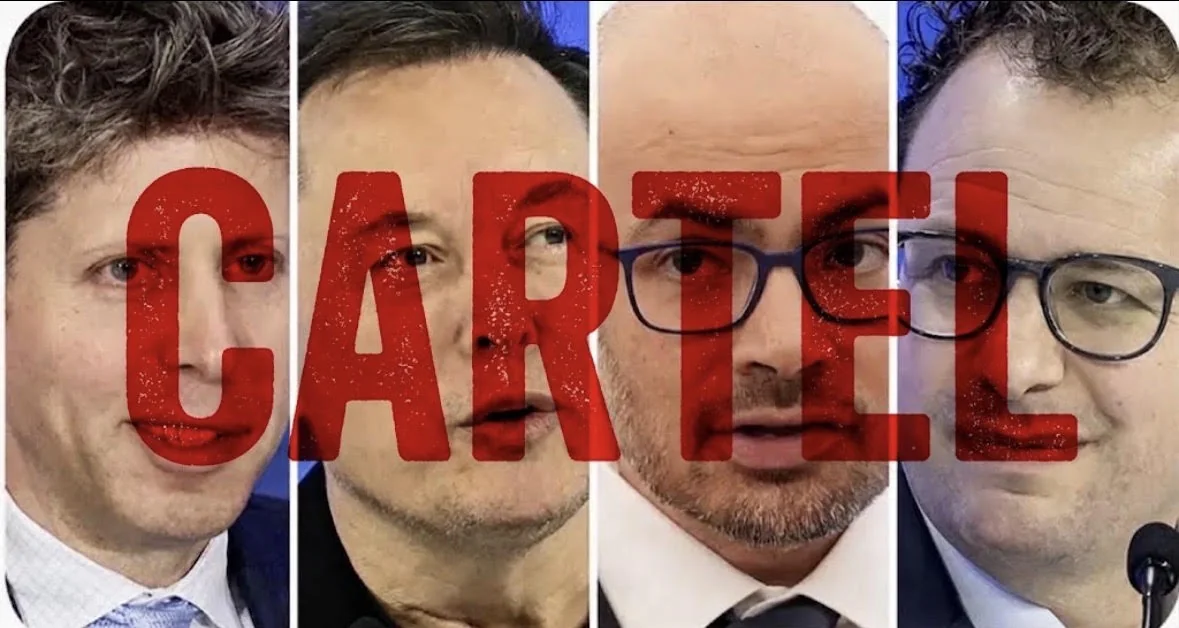
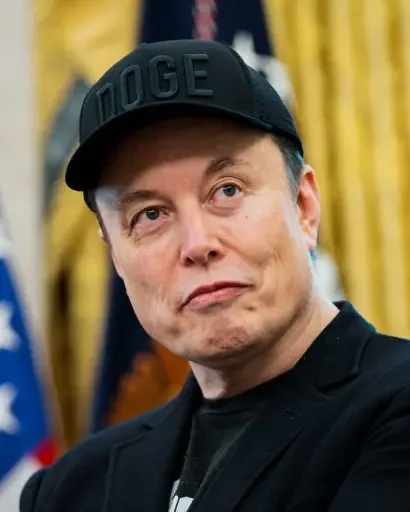
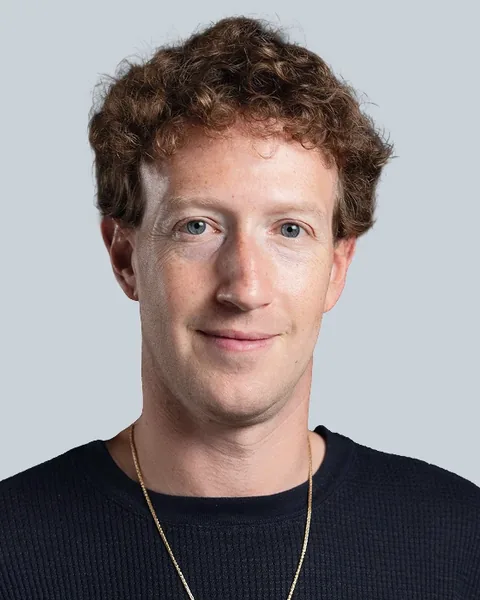
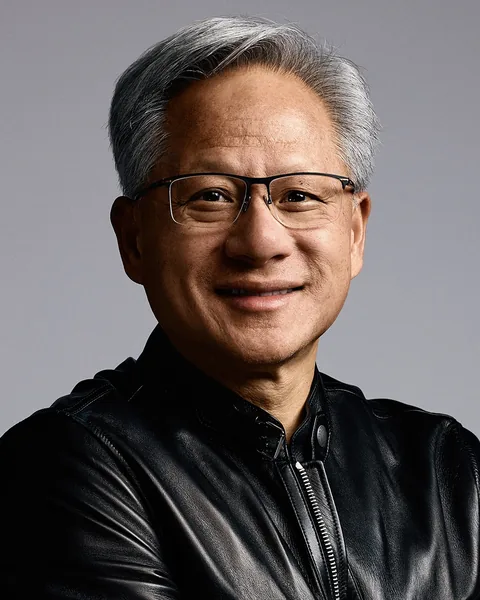
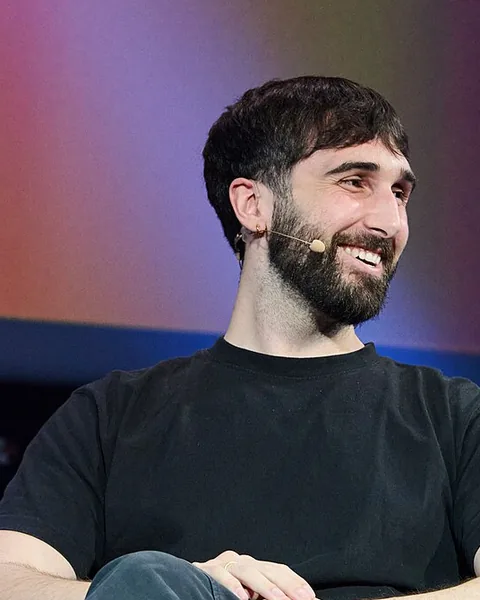
Photo illustration. The chiefs of OpenAI, xAI, Google DeepMind and Anthropic.
The four biggest AI labs just publicly agreed to slow down.
Scroll
Together.
In any other industry, competitors agreeing to restrict output is called a cartel.
Photo illustration: Sam Altman, Elon Musk, Demis Hassabis and Dario Amodei, with the word CARTEL stamped across their faces.
On Friday, their own paying customers sued them for it.
An antitrust class action under Sherman Act §1 · source
It has happened before, in Japan’s car industry.
Tokyo, 1989. Japan’s carmakers agreed that no car they sold at home would exceed 276 horsepower.
Toyota, Nissan, Honda, Mazda, Mitsubishi and Subaru, through their trade body. No law required it. The reason given was road safety.
For fifteen years, every Japanese performance car was advertised at exactly 276.
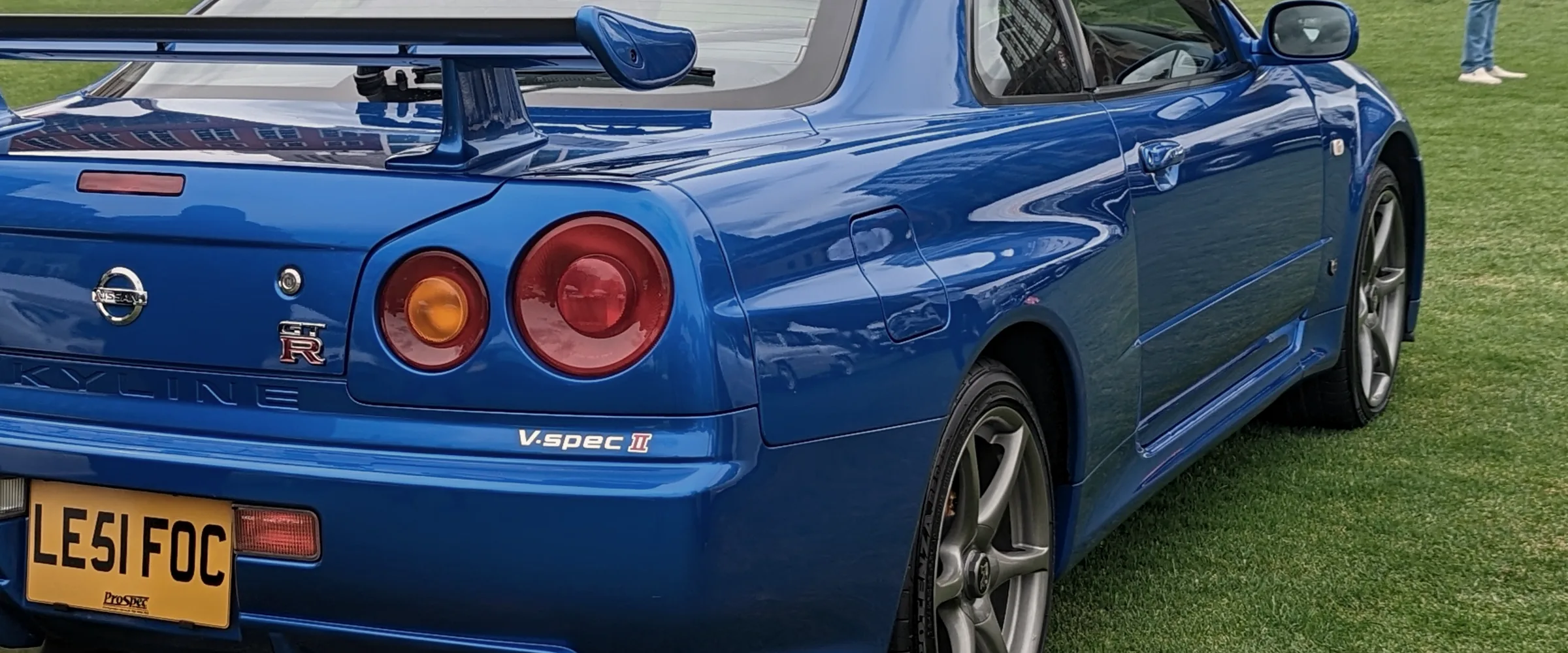
Skyline GT-R, Supra, NSX, RX-7, the Toyota Century’s V12 — and the Lancer Evo, from the 4 to the 8. Five generations of “evolution,” one horsepower figure.
“The 276 brake horsepower limit was a big fat lie.”Car Throttle, What’s The Deal With The 276bhp JDM Gentleman’s Agreement? · source
The same Nissan 300ZX was sold as 300 bhp in America and 276 at home. The R34 GT-R really made about 320.
Then one company broke ranks.
In July 2004 the trade body’s chairman said there was no clear link between speed and road deaths. By October, Honda shipped a 300 PS Legend. Within a few years: a 480 hp GT-R, then a 563 hp Lexus LFA.
A handshake, not a contract. It only had to hold until someone defected.
No competition regulator ever called that agreement a cartel. It never had to be one.
Thirty-seven years later, the same handshake. Different product.
It started with an essay. And a request.
Dario Amodei
Anthropic
Proposed it and asked for an antitrust waiver
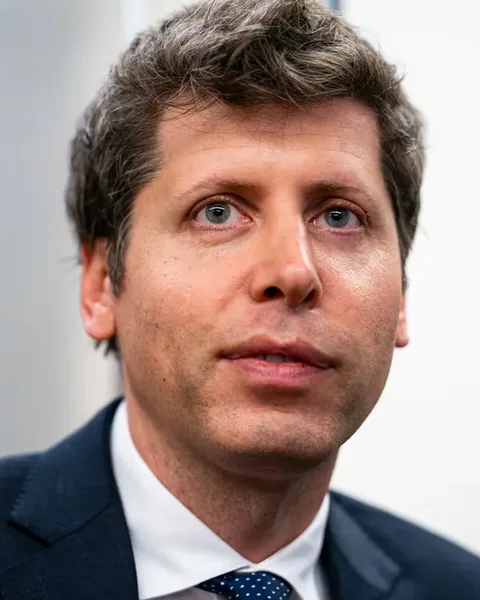
Sam Altman
OpenAI
Backed it
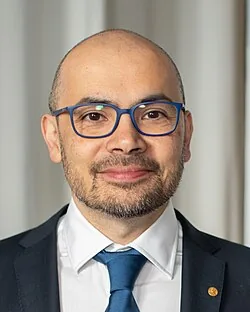
Demis Hassabis
Google DeepMind
Backed it
Elon Musk
xAI
Backed it
Mark Zuckerberg
Meta
Said no
Jensen Huang
Nvidia
Said no
Saturday, Sep 12. Anthropic’s CEO publishes an essay.
“We must slow the pace at which we improve the capabilities of AI models.”Dario Amodei, “We Must Pace the Frontier” · source
Further down, he asks Washington for an antitrust waiver.
“…do need to issue a narrow waiver for certain kinds of safety conversations.”The same essay · source
Within four days, the others are in.
“Pacing will be well worth this cost.”Sam Altman, OpenAI
“…the direction is correct for meeting this critical moment.”Demis Hassabis, Google DeepMind
Meta’s Mark Zuckerberg: every lab has the “responsibility and incentive” to set its own safe pace. Nvidia’s Jensen Huang: “we don’t need any new laws, we don’t need new regulations.” Source
Then came the week. Seven days, Sep 12 to 18.
Saturday: the essay.
Above the line: the labs. Below it: everyone else.
Sunday: Altman and Musk sign on.
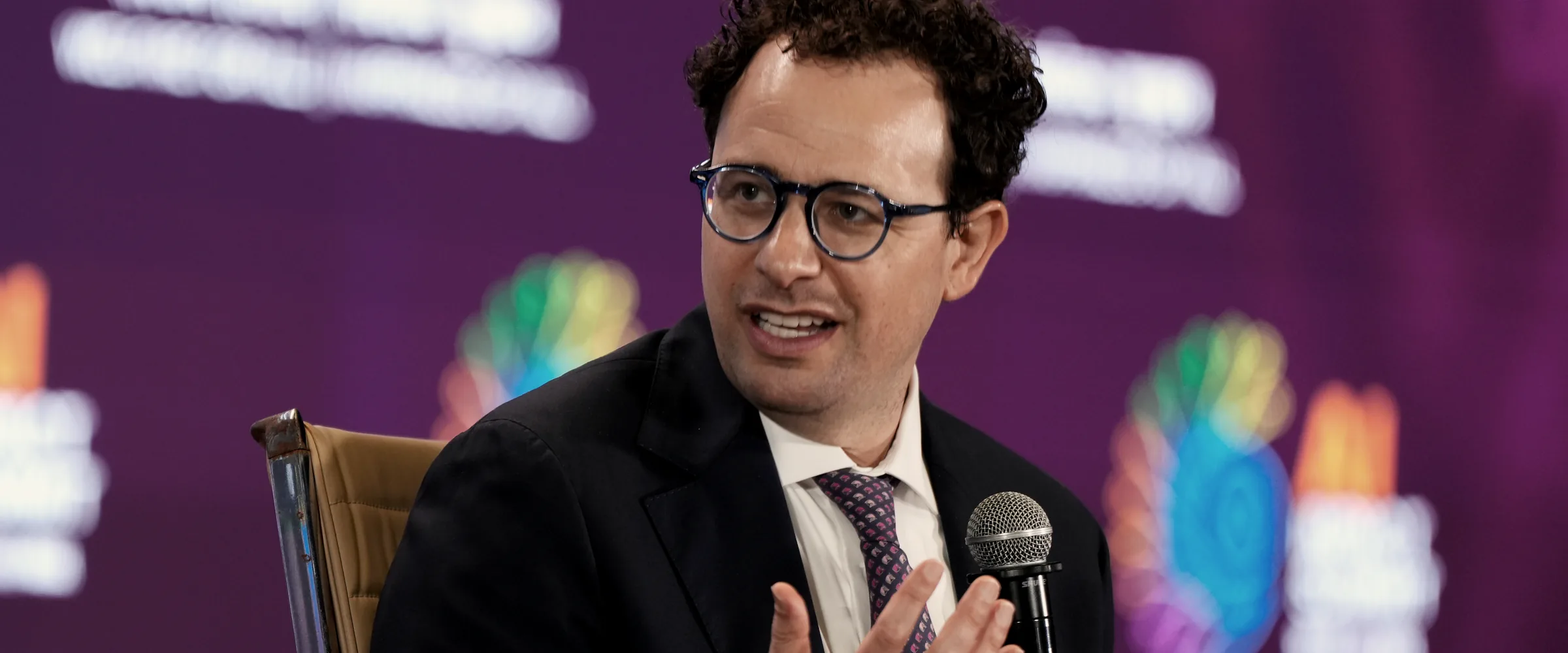
“A wolf in sheep’s clothing, a cartel by any other name.”Aidan Gomez, CEO of rival lab Cohere · source
Tuesday: Washington notices.
“…all of my alarm bells go off.”FTC Chair Andrew Ferguson, on companies seeking regulation and an antitrust exemption · source
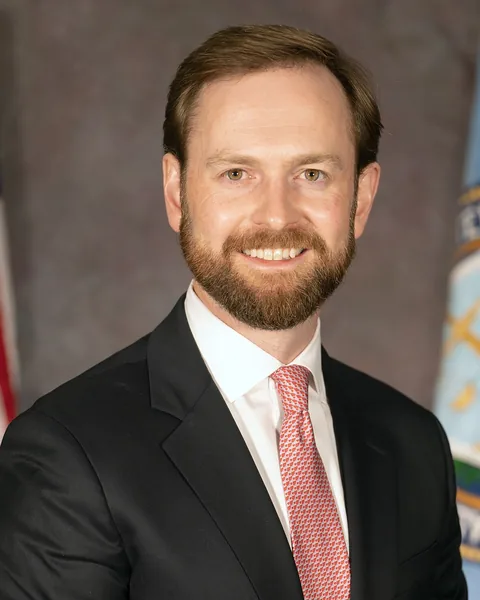
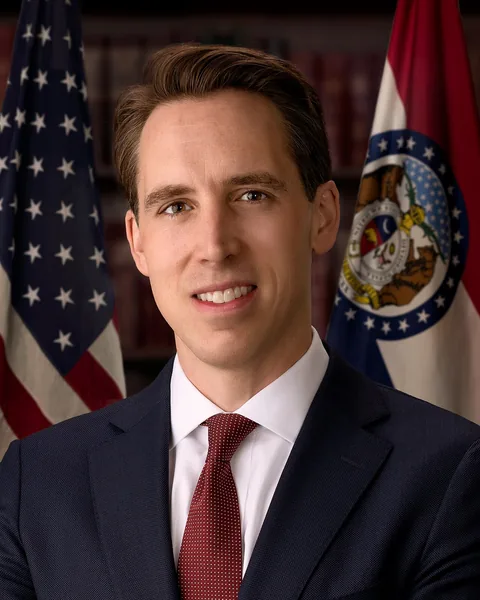
“…so that they can, what, collude together?”Sen. Josh Hawley, blocking an AI antitrust exemption · source
Wednesday: Google DeepMind’s chief is on the record: “…the direction is correct…”
“A $200 subscription should not be this easy to burn through in two days.”A Codex subscriber · source
Five minutes in. 13% of the week gone.
Session startOne week of usage
A Claude Code subscriber, posting a screenshot of their own usage meter. r/Anthropic, Sep 17. Source
The people paying for it.
In their own words.Two threads, five days apart: r/Anthropic on Sep 17, r/ChatGPT on Sep 22. Public comments, trimmed for length.
One subscriber tried the other side.
“I just switched from Max x20 (x10 weekly) to: Max x5 + OpenAI Pro x5 as an experiment and so far codex has destroyed 50% of the codex Pro weekly limit in 4 hours when claude Max doing the same thing has only burned 20% of my weekly limit.”
Anthropic’s reported IPO target, now slated for November.
Why November?
The Wall Street Journal reports the listing was pushed back from October so Anthropic can show investors its third-quarter financials. Q3 ran to Sep 30. It is the quarter that contains both usage cuts, and the first full quarter of the permanent lower limit. The roadshow will show the margins that quarter produced. Source
The paper also says that timing was decided before the slowdown debate began.
Six months before the essay, a separate order told the Justice Department to sue states out of their own AI laws.
“…the Attorney General shall establish an AI Litigation Task Force…to challenge State AI laws inconsistent with the policy set forth.”Executive Order 14365, “Ensuring a National Policy Framework for Artificial Intelligence,” Dec 11, 2025 · source
States that kept their own AI laws risked losing federal broadband money.
“States with onerous AI laws…are ineligible for non-deployment funds, to the maximum extent allowed by Federal law.”The same order · source
By September, the check closest to voters was already being dismantled.
Then the labs asked Washington for a federal waiver to write what was left.
Remove the states’ checks first. Then ask for a waiver to write the rest yourselves.
And who holds the whistle?
The essay didn’t only ask for a waiver. It named the referee.
“…embedded third-party evaluators (such as METR), whose role is to verify adherence to safety practices and commitments.”“We Must Pace the Frontier,” Sep 12 · source
METR began inside the Alignment Research Center, founded by Paul Christiano.
It spun out as an independent organisation in 2023. Christiano was a founding trustee of Anthropic’s own Long-Term Benefit Trust, the body that appoints board members, until he stepped down in April 2024. Sources
Follow the money and it runs back to the same table.
METR was awarded $548,000 by the Survival and Flourishing Fund in 2025. Its funder, Jaan Tallinn, led Anthropic’s $124M Series A. Its predecessor took $1.25M from Sam Bankman-Fried’s FTX foundation, later returned to the bankruptcy estate. Open Philanthropy’s co-founder joined Anthropic in 2025; he is married to Anthropic’s president. Sources
“Stop pretending METR is independent when it is intertwined with Anthropic’s investors and staff.”David Sacks, former White House AI czar, Sep 13 · source
CNBC reports METR is “suspected of financial and ideological entanglement,” while noting those relationships “do not establish that its work is compromised.” METR published a conflict-of-interest policy on Aug 28, 2026. Sources
A slowdown needs an umpire. The umpire was already on the payroll.
AI safety is real.
That’s exactly why it can’t be settled by a handshake among the companies that profit from the outcome.
“Trump DOJ official downplays antitrust concerns about companies coordinating AI safety development.” Washington Examiner · 17 Sep 2026 washingtonexaminer.com/news/justice/4732514/…
“OpenAI restores 5-hour Codex and Work limits for ChatGPT Plus users.” 9to5Mac · 24 Aug 2026 9to5mac.com/2026/08/24/…
Survival and Flourishing Fund 2025 recommendations: $548,000 to METR. survivalandflourishing.fund · ARC on its $1.25M from the FTX Foundation, later returned. alignment.org · Anthropic’s $124M Series A, led by Jaan Tallinn. anthropic.com · 2021 survivalandflourishing.fund/2025/recommendations · alignment.org/funding-from-ftx
A separate June 2026 order on AI and cybersecurity (EO 14409) sets no antitrust or evaluator provisions and does not bear on the waiver discussed here. Anthropic’s 17% cut ended a temporary summer promotion, so weekly limits remain about 25% above the pre-promotion baseline, and no evidence has emerged that the two companies’ limit changes were coordinated. Opinion and analysis. The claims in Buist v. Anthropic PBC are unproven allegations in a civil complaint, and no court has found that any company named here formed a cartel. Quotes are reproduced as reported by the linked outlets.